
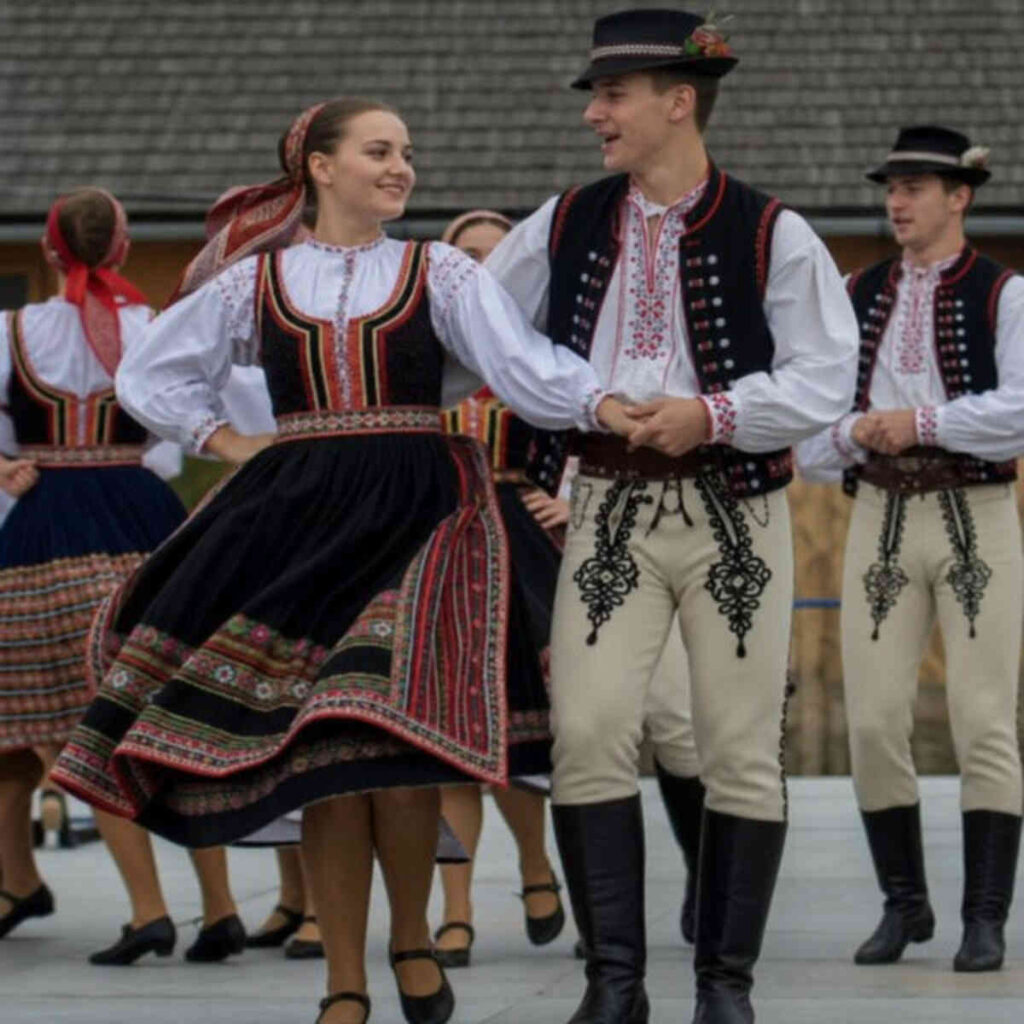
Step into Gemer with a festival-focused cultural guide built for travelers, heritage lovers, writers, educators, and curious planners who want more than a list of dates. This product helps you understand the celebrations, folk customs, food traditions, crafts, seasonal rituals, and local atmosphere that make Gemer feel alive before, during, and after its public events. Use it to plan a richer trip, shape a cultural itinerary, or simply explore the stories behind one of Slovakia’s distinctive historic regions. Discover the best info about Slot.
Gemer is closely associated with Gemer-Malohont, a region described by local tourism sources as one of Slovakia’s old and important cultural areas, with folklore festivals in places such as Klenovec and Rejdová still serving as meaningful holidays for performers and local communities. This guide turns that cultural landscape into a clear, usable product: not a dry encyclopedia, not a scattered calendar, but a practical companion for understanding what you may see, hear, taste, and ask about when Gemer celebrates.
What is included in this Gemer festival guide?
This guide includes a clear introduction to Gemer celebrations, tradition-based festival themes, seasonal customs, cultural etiquette, planning notes, and inspiration for crafting a meaningful visit centred on music, dance, crafts, cuisine, village life, and heritage. It is designed to help you recognize what matters at a Gemer event: not only the stage performance, but also the clothing, dialects, handmade objects, food memories, community pride, and ritual details that give each celebration its depth.
Inside, the product is organized around the way real visitors search and plan. If you are looking for “gemer,” you need orientation. If you typed “gemer gostoso,” you may be searching for the delicious, sensory side of the region: food, markets, hospitality, and festival flavors. If your search included a broad or name-led phrase such as “gerardo gemer,” this guide gives you a more useful cultural path into Gemer itself, especially if your true intent is to understand the place, its events, and its traditions.
You can use the guide before a trip, while planning content, or after visiting a festival and wanting to understand what you experienced. It keeps the tone accessible without flattening the culture into tourist clichés. The result is a product that respects local heritage while helping outsiders navigate it with greater confidence.
Core inclusions:
- A welcoming overview of Gemer as a cultural and festival region
- Explanations of major celebration themes, including folklore, crafts, food, music, dance, seasonal customs, and community gatherings
- Guidance on how to interpret traditional clothing, songs, dances, and handmade work without reducing them to decoration
- Notes on festival types connected with Klenovec, Rejdová, Gombasek, Easter traditions, Christmas-period customs, and craft events
- Practical visitor prompts for planning, observing, photographing, and asking respectful questions
- SEO-friendly cultural language for writers, bloggers, tour creators, educators, and heritage publishers
- A buyer-focused structure that makes the product easy to use as a planning guide, cultural brief, or editorial reference
A richer way to experience Gemer celebrations
A festival in Gemer is not only an event you attend. It is often a living stage for memory, family continuity, rural identity, music, costume, craftsmanship, and local pride. The best way to experience it is to arrive with enough context to notice the details: why a song may matter, why a garment is not simply “colorful,” why a craft demonstration carries knowledge, and why food can become a form of storytelling.
This guide is built for that kind of noticing. It helps you move past the simple question, “What is happening here?” and toward the better question, “What is being preserved, shared, and renewed?” Local tourism material describes Gemer festivals as occasions where performers, locals, and visitors encounter authentic folklore across the region, especially in communities with strong festival traditions.
That distinction matters if you want a visit that feels grounded. Without preparation, a festival can blur into music, stalls, costumes, and crowds. With the right guide, each element becomes legible: the rhythm of the event, the reason behind the gathering, the relationship between rural tradition and modern tourism, and the ways local people continue to carry their culture forward.
Built for travelers, researchers, and culture-first planners
This product serves people who want their Gemer experience to be thoughtful, not accidental. It is especially useful if you are planning a regional itinerary, writing about Central European traditions, designing a cultural travel page, teaching about folk heritage, or comparing festival traditions across Slovakia and nearby regions.
Gemer can reward slow attention. The region has folklore events, craft traditions, seasonal customs, heritage sites, rural landscapes, and community celebrations that are easier to appreciate when you understand the layers in advance. That is why this guide combines practical planning language with cultural explanation.
This guide is a strong fit for:
- Travelers who want to plan a festival-centered visit to Gemer
- Cultural tourists who prefer context over checklist travel
- Bloggers and SEO writers creating content around Gemer, folklore, regional festivals, or Slovak traditions
- Tour planners building itineraries around crafts, music, food, or seasonal customs
- Educators and students looking for a readable introduction to Gemer celebrations
- Heritage organizations that need plain-language descriptions of festival themes
- Food-focused visitors searching for the “gemer gostoso” side of local experience
- Anyone who wants a respectful starting point before attending a folk event in the region
The guide does not pretend that every visitor has the same purpose. Some readers want event inspiration. Some want cultural vocabulary. Some want to understand what makes a regional festival different from a staged performance for tourists. The product gives each kind of reader enough structure to start well.
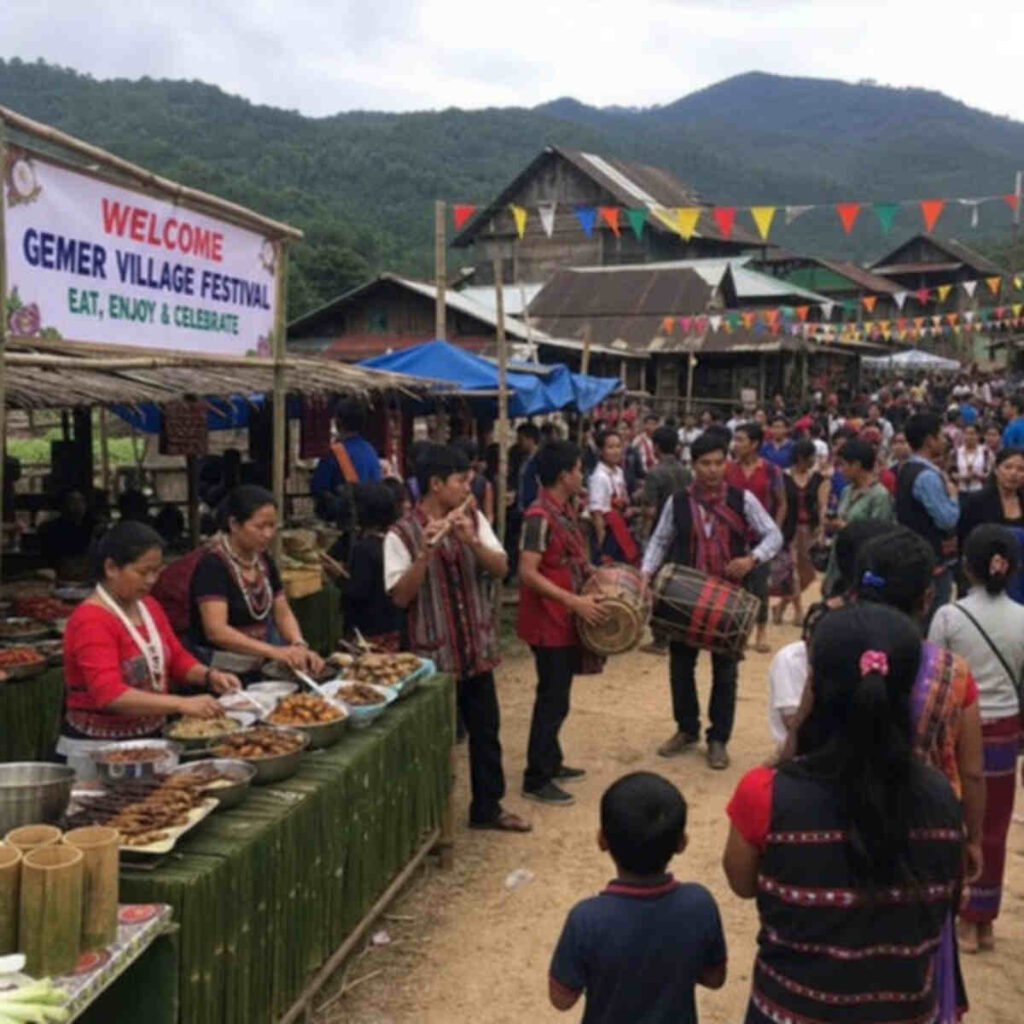
Festival traditions covered in the guide
Gemer’s celebration calendar is not limited to a single type of event. Its cultural life includes folklore festivals, craft demonstrations, food traditions, seasonal holidays, minority culture events, village gatherings, and winter customs. This guide introduces those themes in a way that is easy to scan before travel and easy to return to while planning.
One important example is Klenovská Rontouka, a Gemer-Malohont folklore festival associated with Klenovec. Regional tourism sources describe it as a showcase of traditional crafts, cuisine, folk songs, dances, music, clothing, customs, dialects, and culture from Gemer-Malohont and beyond, aimed at reviving, developing, and preserving traditional folk culture while also supporting rural tourism.
Rejdová is also part of the region’s folklore identity, often mentioned alongside Klenovec in descriptions of Gemer’s festival life. These village-centered events show why Gemer celebrations are most powerful when understood as community occasions, not just performances scheduled for visitors.
The guide also touches on the Festival of the Culture of the Hungarians of Slovakia in Gombasek, which Slovakia Travel describes as a major presentation of folk art of Slovakia’s Hungarian minority, held in summer in the village of Gombasek in the Gemer region. This matters because Gemer’s cultural character is layered: Slovak, Hungarian, rural, historical, religious, musical, and craft-based influences can all appear in different forms across the region.
Key celebration themes explained:
- Folklore festivals with music, song, dance, and regional clothing
- Craft events featuring handmade traditions and demonstrations
- Seasonal customs around Easter and the pre-Christmas period
- Food and hospitality as part of local celebration culture
- Minority culture events that reflect the region’s historical diversity
- Village gatherings where local participation matters as much as visitor attendance
- Rural tourism experiences connected with heritage, landscape, and local identity
Food, flavor, and the “gemer gostoso” experience
Some searches are not tidy. A phrase like “gemer gostoso” blends place-based curiosity with the desire for taste, pleasure, and sensory travel. That is a useful instinct, because festivals are often where a region’s flavors become easiest to encounter: market food, homemade dishes, local drinks, baked goods, and the informal hospitality that happens around public celebration.
This guide treats food as part of culture, not as a side note. Traditional cuisine appears in regional descriptions of Gemer-Malohont festival programming, especially where events present crafts, songs, dances, music, clothing, customs, dialects, and gastronomy together.
For the traveler, that means the food stall is not merely a convenient break between performances. It can be a point of entry into family memory, agricultural rhythm, village pride, and the practical knowledge that passes through kitchens as much as through stages. When you know to look for those connections, the festival becomes more vivid.
Use the food section to:
- Plan time for local food rather than treating meals as an interruption
- Notice how dishes, ingredients, and serving styles connect to place
- Ask better questions about what is homemade, seasonal, or regionally typical
- Understand why cuisine is often presented alongside music, dance, crafts, and costume
- Build richer travel notes if you are writing about Gemer or creating content for cultural tourism
The guide does not invent a fixed menu or promise that every event serves the same dishes. Instead, it teaches you how to approach festival food intelligently: look for local context, ask politely, compare what appears across events, and treat taste as part of the cultural record.
Crafts, clothing, music, and living heritage
A strong Gemer festival guide must pay attention to what hands make, bodies perform, and communities remember. Traditional crafts, regional clothing, folk songs, dance, and music are not separate attractions. They belong to a living system of identity, skill, and public celebration.
Regional tourism descriptions of Klenovská Rontouka explicitly connect the festival with crafts, cuisine, folk songs, dances, music, traditional clothing, customs, dialects, and the preservation of folk culture. That cluster of elements is exactly why a guide is useful: the visitor needs help understanding how the pieces fit together.
Gemer’s craft heritage is also significant beyond festival stages. Regional sources note pottery, guba-making, viticulture, and artisanal activity in Gemer-Malohont, including that pottery historically provided work for many people in the region and that only a small number of such practitioners remain active today.
This product gives you a framework for interpreting those traditions respectfully. A handmade object is not just a souvenir. A costume is not just a photo opportunity. A song is not just background sound. Each may carry local knowledge, a sense of belonging, and the effort of people who continue to keep tradition visible.
What the craft and performance sections help you notice:
- Materials and techniques that reveal regional skill
- Clothing details that may signal place, occasion, or inherited style
- Music and dance as community memory, not only entertainment
- Demonstrations where artisans explain or preserve specialized knowledge
- The relationship between festival markets and wider cultural tourism
- The difference between respectful appreciation and shallow consumption
Seasonal customs that give the year its rhythm
Gemer celebrations are not only summer festivals. Seasonal customs give the year its cultural shape, especially around holidays such as Easter and the pre-Christmas period. These customs help visitors understand how ritual, church life, household practice, food, and village memory can intersect.
Regional material on Easter traditions in Gemer describes Easter as a major holiday with practices connected to churchgoing, household behavior, and symbolic beliefs around prosperity and harvest. The details may vary by locality and family memory, but the larger point is clear: seasonal customs carry meaning because they connect celebration with daily life, faith, work, and continuity.
The region also offers winter or pre-Christmas programming focused on customs and traditions, including events described by local tourism sources for lovers of authentic folklore before Christmas.
For visitors, these seasonal chapters matter because they widen the definition of a festival. Celebration is not limited to a large stage, a summer crowd, or an official program. It can live in a household ritual, a local belief, a church procession, a workshop, a song, or a winter gathering where people mark the year together.
A practical companion for planning your Gemer itinerary
The guide is built to be used, not admired once and forgotten. It helps you think before you book, plan before you arrive, and observe more carefully once you are there. That practical layer is what makes the product valuable for travelers and content creators alike.
Because event details can change from year to year, the guide does not replace current local calendars or official festival announcements. Instead, it gives you the cultural intelligence to understand the types of events you may find and the questions to ask when confirming dates, venues, transport, language options, tickets, and accommodation.
Before you travel, use the guide to:
- Identify the kind of Gemer celebration you want most: folklore, crafts, food, seasonal customs, minority culture, or village atmosphere.
- Check current official event information from regional tourism sources, municipalities, cultural centers, or organizers.
- Build your itinerary around enough time to arrive early, watch informal activity, eat locally, and speak with artisans or hosts when appropriate.
- Prepare respectful questions about traditions, clothing, craft techniques, food, and the meaning of performance.
- Plan your photography with care, especially around children, religious customs, performers, and private moments.
- Leave room for slower experiences such as markets, workshops, village walks, or nearby heritage sites.
This planning approach protects you from the most common mistake in festival travel: rushing in for the main stage, taking a few photos, and leaving before the culture has time to speak.
Clear benefits for different buyers
A product page should make one thing obvious: why buy this instead of piecing together random search results? The answer is structure. Search results can show you scattered pages, dates, blog snippets, or tourism listings. This guide organizes the topic around meaning, use, and decision-making.
For a traveler, the benefit is confidence. You can plan with a clearer sense of what Gemer festivals may offer and what deserves your attention. For a writer, the benefit is language. You get a stronger vocabulary for describing celebrations without relying on vague words such as “authentic,” “colorful,” or “unique.” For an educator or tour planner, the benefit is context. You can introduce the region in a way that feels coherent rather than fragmented.
Buyer benefits at a glance:
- Saves time by gathering festival themes and planning logic into one organized resource
- Helps you understand traditions before you encounter them in person
- Supports better travel decisions around timing, event type, and cultural focus
- Gives writers and marketers a more accurate content angle for Gemer-related searches
- Encourages respectful participation instead of passive sightseeing
- Makes food, crafts, music, and seasonal customs easier to interpret together
- Helps you turn a visit into a richer story, itinerary, lesson, or cultural memory
Product format, access, and pricing
This product is positioned as a cultural guide for Gemer festivals and traditions. The final format, access method, and price depend on how the publisher chooses to offer it, so the purchase area should display the current version clearly before checkout. If the product is delivered digitally, buyers should be able to see what file or access type is included. If it is offered as a printed guide, bundle, workshop companion, or itinerary add-on, the page should state that near the purchase button.
Because no exact price has been supplied, this page should not invent one. The strongest conversion copy is honest: show the current price in the buying module, explain what the buyer receives, and make the next step unmistakable. A simple “Buy the guide,” “Download now,” or “Add to cart” call to action works better than vague language.
Recommended purchase details to display near checkout:
- Current price
- Format, such as digital guide, printed booklet, itinerary resource, or bundled product
- Delivery method, such as instant download, email delivery, physical shipping, or account access
- What is included in the purchase
- Any update policy, if updates are offered
- Refund or support terms, if applicable
- Contact option for questions before buying
This section should be kept practical. Buyers do not need theatrical persuasion at the moment of purchase. They need clarity, trust, and a button that tells them exactly what will happen next.
Suggested product specifications
Use this guide as the product specification block for your page if you are preparing it for ecommerce, tourism, education, or editorial use. The details below are intentionally written without invented numbers, file sizes, dates, or guarantees, so they can be adapted to the real product version.
Product focus: Gemer festivals, celebrations, and traditions Primary use: Cultural travel planning, heritage research, content writing, itinerary building, and educational orientation Region covered: Gemer and Gemer-Malohont festival culture, with references to folklore, crafts, food traditions, seasonal customs, and village celebrations Reader level: Beginner-friendly, with enough context for writers, planners, and culture-focused travelers Tone: Clear, respectful, practical, and culturally curious Best paired with: Current official event calendars, local tourism information, organizer announcements, maps, accommodation research, and transport planning Not a replacement for: Real-time event schedules, ticket confirmations, local regulations, or organizer instructions
This specification style is useful because it prevents confusion. A buyer should know that the guide helps with understanding and planning, while current event logistics still need to be checked through official channels.
The Gemer festival experience in one realistic scenario
Imagine you are planning a summer trip and want to attend a folklore event in Gemer. Without context, you might search quickly, pick an event, arrive just before a stage performance, take photos of dancers, eat something convenient, and leave with a pleasant but thin impression.
With this guide, the same day becomes more intentional. You would look at the event not only as a schedule, but as a cultural setting. You would arrive early to take in the market, the clothing, the rehearsal atmosphere, the craft stalls, and the way locals greet one another. You would know that cuisine, dialect, handmade objects, dance, and music may all be part of the same heritage system, especially at Gemer-Malohont festival events.
Your questions would also improve. Instead of asking only, “What time does the show start?” you might ask, “Is this clothing connected with a particular village?” or “Is this craft still practiced locally?” or “Is this dish usually linked to a season or family tradition?” Those questions open doors. They turn tourism into exchange.
Why this guide is different from a simple event calendar
An event calendar tells you when to go. This guide helps you understand why the event matters once you get there. That is the difference between attendance and appreciation.
Gemer’s festival culture includes public performance, community memory, rural tourism, craft preservation, seasonal customs, and local hospitality. A calendar can list an event in Klenovec, Rejdová, Gombasek, or another village, but it cannot always explain how to read the experience. This product fills that gap by giving you a cultural lens.
Calendar pages are useful for:
- Dates and times
- Venue names
- Ticket or entry information
- Organizer announcements
- Program changes
This guide is useful for:
- Understanding festival themes before attending
- Recognizing the role of crafts, costume, food, and music
- Planning a slower and more meaningful visit
- Writing richer content about Gemer traditions
- Asking respectful questions during cultural encounters
- Connecting seasonal customs to the wider rhythm of the region
You should use both. Check the current calendars for logistics, then use this guide to make the experience more meaningful.
Search-friendly cultural coverage
This product is also designed for people who create content about Gemer. SERP expectations for this topic often include basic regional orientation, festival examples, traditions, food, crafts, seasonal celebrations, and practical travel guidance. A strong page should address all of those intentions without keyword stuffing or drifting into unrelated material.
The keyword “gemer” belongs naturally throughout the page because it names the region and cultural focus. The phrase “gemer gostoso” can be used carefully when discussing food, flavor, and sensory travel, especially for readers approaching the topic from a Portuguese-language or food-search angle. The phrase “gerardo gemer” should be handled lightly and only where it makes sense as a broad search variant; forcing it into every section would weaken the copy and confuse readers.
SEO elements supported by this guide:
- Clear page intent centered on Gemer festivals and traditions
- Natural use of primary and secondary keywords
- Headings that match travel, culture, food, and planning search intent
- Scannable lists for featured inclusions, buyer benefits, planning steps, and specifications
- A product-focused structure with benefits, use cases, pricing guidance, and conversion prompts
- Trust-building language that avoids unsupported claims
Suggested meta description: Explore Gemer festivals, celebrations, and traditions with a practical cultural guide covering folklore, food, crafts, seasonal customs, planning tips, and visitor etiquette.
Responsible cultural travel starts with preparation
The strongest travelers are not the loudest, fastest, or most heavily equipped. They are the ones who arrive prepared to listen. Gemer’s festivals deserve that kind of attention because they are connected to living communities rather than staged in a vacuum.
This guide encourages a respectful visitor mindset. Ask before photographing close portraits. Give artisans time to explain their work. Do not treat traditional clothing as costume play. Notice the people behind the performance: elders, children, organizers, musicians, cooks, craft workers, and local volunteers. A festival may look effortless from the audience side, but cultural continuity requires labor.
Preparation also helps you spend better. When you understand the value of handmade crafts or local food, you are less likely to compare them only by price. You begin to see your purchase as part of a broader ecosystem of preservation, tourism, and community pride.
Your next step
If you want Gemer to be more than a name on a map, start with a guide that helps you see the region through its celebrations. Use it before you travel, while shaping an itinerary, or when writing about Gemer festivals, food, crafts, and traditions for an audience that deserves clarity.
Buy the guide, download it if available, or add it to your planning toolkit before checking current event dates and local travel details. Then arrive in Gemer ready to notice more: the song behind the stage, the craft behind the stall, the flavor behind the plate, and the tradition behind the celebration.